Does nickel plating rust?
Nickel itself is highly resistant to rust. Yet nickel-plated steel parts sometimes show brown spots or blisters after a while. The answer lies not in the nickel, but in what lies beneath it and how the layer was built.
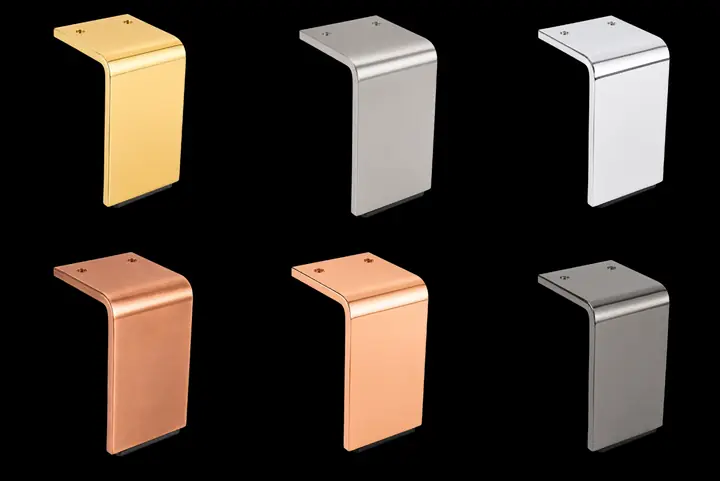
Nickel does not rust, steel does
Rust is iron oxide. Nickel does not form rust, and a bright nickel surface stays bright for years indoors. When a nickel-plated part shows rust, the corrosion is coming from the steel base metal, which has been reached through a defect in the coating.
Porosity: the hidden path to the base metal
No bright nickel deposit is completely free of pores. Microscopic pores and pinholes can form from gas bubbles held on the part, dust in the bath, contamination left from cleaning or porosity in the base metal itself. If a pore runs all the way through the coating, moisture can reach the steel and rust can creep out and lift the plating around it.
What makes a coating more resistant
Thickness is the first lever: a thin nickel layer is more likely to have pores that run straight through. Multilayer systems, such as copper under nickel, or two different nickel layers, help because pores in one layer rarely line up with pores in the next. A chromium top layer adds tarnish and wear resistance. ISO 1456 links layer system and thickness to the service condition the part will face.
Process discipline matters just as much: good cleaning and activation, filtration that keeps particles out of the bath, a wetting agent that releases hydrogen bubbles, and rack positions that let gas escape.
Where the furniture is used
An indoor sofa leg in a dry living room faces very different conditions from a café chair near the sea, a bathroom fitting or furniture cleaned daily with strong detergents. Coastal air, humidity and cleaning chemicals all shorten the life of a thin coating. Tell your supplier where the product will be used so the layer system can be chosen accordingly.
How corrosion resistance is tested
Neutral salt spray testing to ISO 9227 is the most common accelerated check: plated parts are exposed to a salt fog and inspected at set intervals. It is useful for comparing coating systems and controlling consistency, although hours in a salt cabinet do not translate directly into years of real use.
Care and handling
Plated surfaces last longer when they are cleaned with a soft cloth and mild soapy water, then dried. Abrasive pads and chlorine-based cleaners damage the surface. Scratches that cut through to the steel should not be left wet.
Plated parts from İnegöl
At Serel Metal in İnegöl, Bursa, we plan the layer system with the end use in mind and control cleaning, filtration and racking to keep porosity low. If you are seeing rust on plated parts from another source, send us photos; the pattern of the corrosion usually points to the cause.
Glossary
| Term | Meaning |
|---|---|
| Porosity | Microscopic holes in a coating |
| Through-porosity | Pores that reach the base metal |
| Multilayer system | Two or more layers whose pores do not align |
| Salt spray test | Accelerated corrosion test in a salt fog (ISO 9227) |
| Blister | Raised bubble where the coating has lifted |
Frequently asked questions
Does nickel plating rust?
Nickel itself does not rust. Rust on a nickel-plated part comes from the steel underneath, reached through pores or damage in the coating.
How can I tell if plating is thick enough?
Thickness is measured with instruments such as magnetic or X-ray gauges. For buyers, the practical step is to agree a layer system and test method with the supplier.
Is chrome more rust-resistant than nickel?
A chromium top layer adds tarnish and wear resistance, but the corrosion protection still comes mainly from the copper and nickel underneath.
Sources and standards
Need plated furniture components?
Chrome, nickel, gold, rose, smoked, copper and antique finishes on legs, bases and fittings, produced in our İnegöl plant. Send a drawing and we reply within one business day.