Sustainable Electroplating: Saving Water, Metals and Energy
Where a plating line uses water, metals and energy, and the practical steps, from counter-flow rinsing to PFAS-free chemistry, that cut its footprint and its costs.
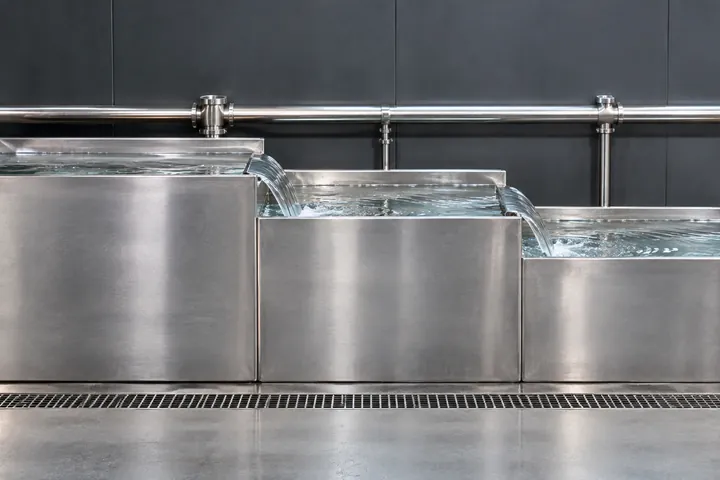
European furniture buyers now send sustainability questionnaires as seriously as price requests. For a plating shop, an honest answer starts with three resources: water, metals and energy. Most steps that reduce environmental impact also cut cost and improve quality.
The direction of the industry
Chemistry suppliers now put sustainability at the centre of their product development. MacDermid Enthone, for example, has used its regional sustainability summits to focus on PFAS-free decorative coatings, trivalent chrome as a replacement for hexavalent, low-metal processes and water-treatment technology aimed at zero liquid discharge. Cleaner chemistry is becoming the default.
Drag-out: the hidden loss
Every rack lifted from a bath carries solution into the rinse. Multiplied by thousands of loads, this becomes the biggest source of metal in wastewater and of chemical cost. Simple controls help:
- Longer drip times above the tank, with racks tilted so solution drains back.
- Rack and part orientation that avoids cups and pockets.
- A static recovery rinse after nickel and copper, returned to the bath as it evaporates.
- Correct bath temperature and concentration; an over-concentrated bath drags out more metal.
Rinsing smarter, not more
Counter-flow rinsing, where clean water enters the last rinse and flows back through earlier stages, uses far less fresh water than single running rinses and delivers a cleaner part. Conductivity control on rinse tanks replaces guesswork.
Treating what leaves
Plating wastewater is treated in well-established steps: pH adjustment, metal precipitation, settling and filter-pressing of sludge. Ultrafiltration on lacquer lines keeps solids in the process instead of the drain.
Energy and air
Covered, insulated tanks hold temperature with less heating. Efficient rectifiers and clean busbar contacts cut wasted current. Good extraction protects the people who work on the line.
Our view
We see responsible finishing as part of export readiness, not a separate project. Water use, drag-out and chemical consumption are numbers that can be measured and improved year on year.
Serel Metal in İnegöl
Serel Metal operates in the İnegöl Organized Industrial Zone, Bursa, finishing steel and brass furniture components for export. Our robotic and manual plating lines handle both large series and special small-batch work. Learn more at www.serelmetal.com or write to info@serelmetal.com.
Have metal furniture parts to finish?
Send your drawing or a sample and we will reply within one business day.